Hurumanu 1 TEST - EXPLORING OUR SITE
So today we did on overview of the work we studied in this Hurumanu. We had to reflect on how much learning we had done and if we met the success criteria. I think I did well overall and learnt new stuff.
Hurumanu 1 - EXPLORING OUR SITE
(“WHO ARE WE?” on Yr 7/8 Hurumanu site )
What does ‘Multimodal’ mean?
A board full of activities to do .
Find the 1st multimodal board we have studied and copy the 2 points found in the LEARN box.
I am learning to understand the importance of our history.
I am learning to use a multimodal taskboard.
Choose 1 of the 6 photos you have studied and write 1 sentence to explain what is happening in the photo.
Why do you think the photo was taken?
So they can share it with the family.
Scroll down to the ‘GOLD RUSH’ multimodal board and on the way.
Name the tourist town on the West Coast that recreates how life was like during the Gold Rush.
Shantytown
Find the ‘LEVEL 2 Task Board’ with Gold Rush activities and complete the following:
WALT = Understand what NZ looked like during the Gold Rush
Success Criteria: i)
Understand what the Gold Rush looked like in Aotearoa NZ
Understand how families felt during this time
Go to the ‘LEVEL 3 Task Board’ with Gold Rush activities and complete the following:
WALT = Understand our past immigrant community
Success Criteria:
Understand how the Gold Rush happened & its impact
Acknowledge the involvement of the Chinese in our NZ history
Understand what discrimination is and how to identify it
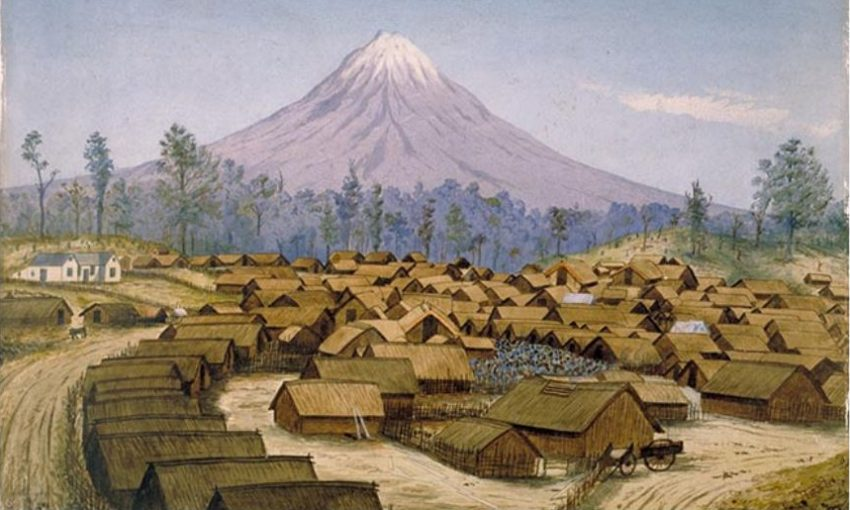
5. Find the Multimodal Board for PARIHAKA
List 3 things from the LEARN box that you were expected to learn
Discover some of the key protest events that have helped shape Aotearoa NZ’s society today.
Understand the consequences of possible choices and the effects they can have.
I am a citizen of the world. I can make a meaningful difference. I seek social justice.
Copy the Success Criteria for work you had to CREATE (see box) have reread to check information.
My layout is clear and easy to read.
My spelling and punctuation are correct.
My information and ideas help my audience to understand the learning.
Find the EXTRA MAHI box and write 3 facts about Non-violent protest
parihaka leaders used non-violent protest and they were punished. Gandhi, Martin Luther King and other people in history have done the same and had the same result. It is a powerful way of standing up to powerful people.
6. Go to the World War 1 Multimodal Board and copy the 1st LO that you find in the LEARN box
I am learning to explain how World War 1 helped to shape our identity as New Zealanders
7.Scroll down to ‘Women's Suffrage’.
i) Name the NZ woman whose face is on the $10 note: Viola Desmond
ii) Which country was 1st in the world to get the vote for women?
New Zealand.
8. Go to the Christchurch/Otautahi Multimodal Board and find the
SCAFFOLDING TEXT BOX, click on the audio book, “Quake, Rattle and Roll” and listen to the story.
NOW, REFLECT ON YOUR LEARNING THIS TERM - YOUR DON’T HAVE TO WRITE ANYTHING, JUST THINK ABOUT NEW STUFF YOU HAVE LEARNT AND HOW WELL YOU HAVE PRESENTED YOUR WORK, EITHER IN YOUR HURUMANU 1 FOLDER OR ON YOUR BLOG.