Tuesday, 25 August 2020

Parihaka
Today we did a acrostic poem about Parihaka.
Parihaka Poem
(3 words for each letter, beginning with the same letter)
Pakeha, Passive and Protest
Against, aim and aggressive
Ripapa Island,resistance and Religious
Invasion, inhumane, Inhabited
Hateful, History and Humanity
Armed, angry, and awful
Killed and killing
Army, awful and Atrocities.
DRAW IMAGES to illustrate your poem in this rectangle
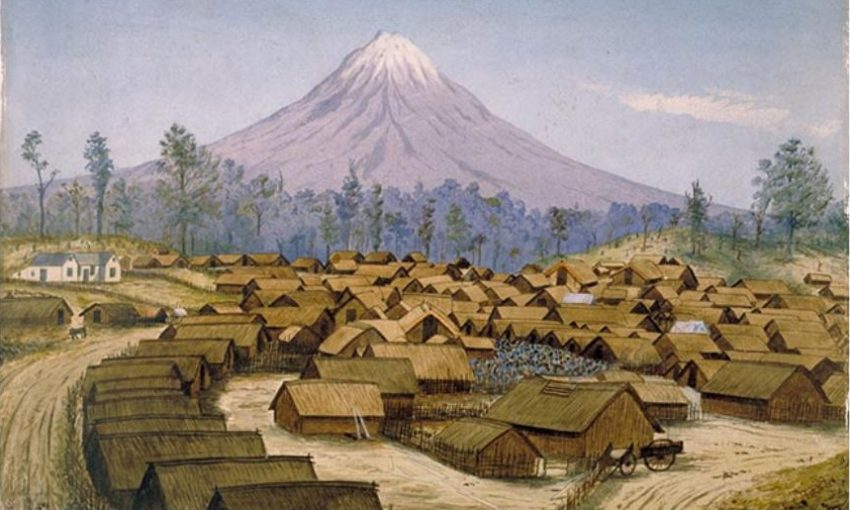
Wednesday, 12 August 2020
Gold poem
Gold poem
Today we had to fill in the lines to this work and now we have an amazing poem.
Gold is Valuable.
Gold was Found.
Gold can shine
Gold feels like a stone
Gold looks smooth
Gold buys jewellery
Gold makes money
Gold often attracts thieves
Gold comes to people who seek it
Gold always brings wealth
Gold brings happiness
Gold gives joy
Gold has a ling history
Gold will make you rich.
Gold provides security
Acrostic Poem
Gold
Often
Looks
Desirable
Rich
Users
Seek
Hoards
Tuesday, 11 August 2020
Gold Rush
Gold Rush/Gold Poem

Thursday, 30 July 2020
Goldminer
Goldminer
- Draw (or copy and paste) and label an image you’ve found during your research.

Thursday, 23 July 2020
Resting heart rate
Resting heart rate

A normal resting heart rate for adults ranges from 60 to 100 beats per minute. Generally, a lower heart rate at rest implies more efficient heart function and better cardiovascular fitness. For example, a well-trained athlete might have a normal resting heart rate closer to 40 beats per minute.Children 3 to 4 years old: 80 to 120 beats per minute. Children 5 to 6 years old: 75 to 115 beats per minute. Children 7 to 9 years old: 70 to 110 beats per minute. Children 10 years and older, and adults (including seniors): 60 to 100 beats per minute.
Tuesday, 21 July 2020
Why Study History?
Hurumanu 1 Blog Post - Why Study History?
He says he values his heritage because his mum’s dad was Tainui, from Waikato.
' It’s enormously important and it’s been a source of inspiration and ideas,
thinking about what life must have been like for my grandfather and his siblings.'